The Rust Problem
The Hidden Threat: Why Rust Demands Proper Surface Preparation
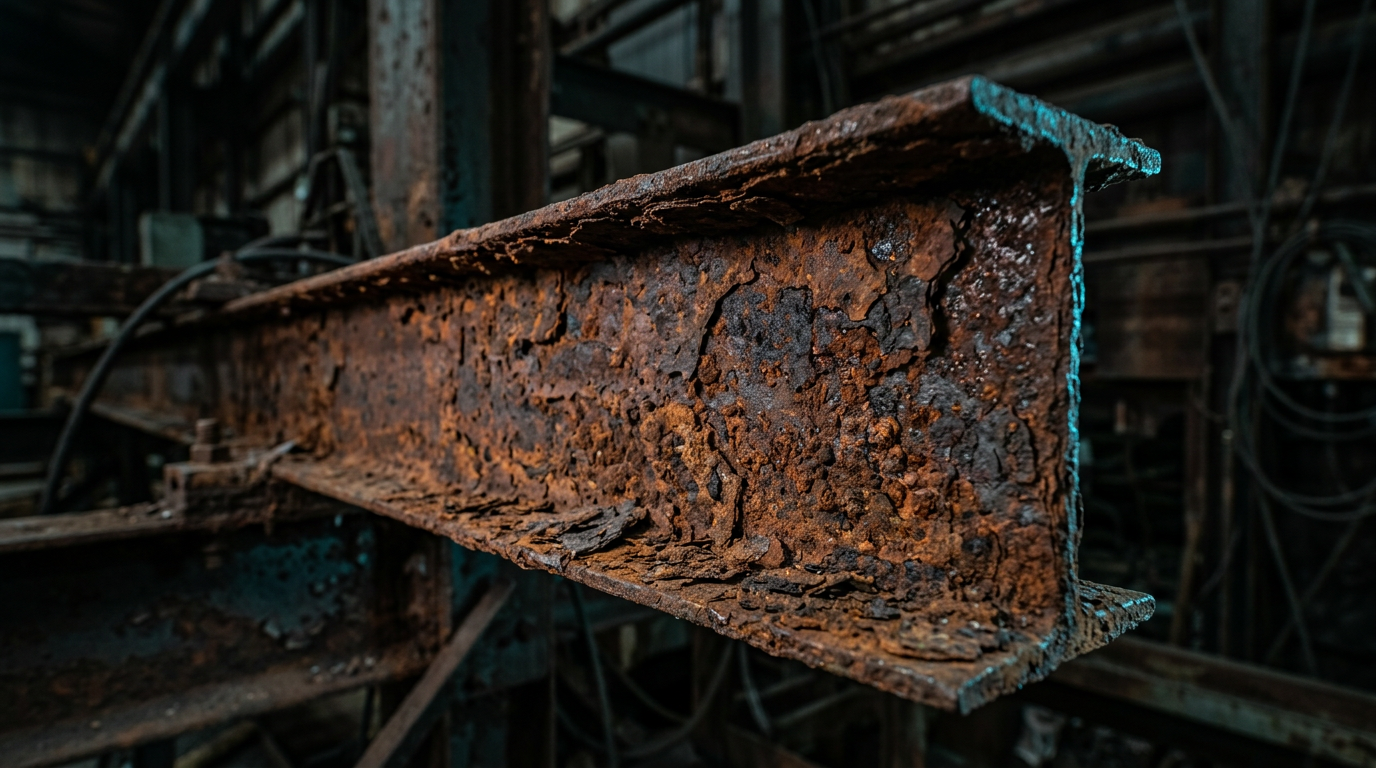
Rust is not merely a cosmetic issue. It is a progressive corrosion process that can compromise metal surfaces, components, machinery and structural assets over time.
When corrosion is ignored—or inadequately removed before recoating—the problem can continue beneath the surface, resulting in coating failure, repeated maintenance, unnecessary downtime and potentially expensive component replacement.
01 — What Happens If You Ignore Rust?
Corrosion Doesn't Stop on Its Own
Short-Term Damage
Surface corrosion begins attacking the protective layer of the metal. As exposure to moisture, oxygen and contaminants continues, deterioration progresses.
Long-Term Damage
If left untreated, corrosion can result in material loss, pitting and progressive weakening of affected components. In industrial environments, advanced corrosion can lead to costly repairs, component replacement and operational downtime.
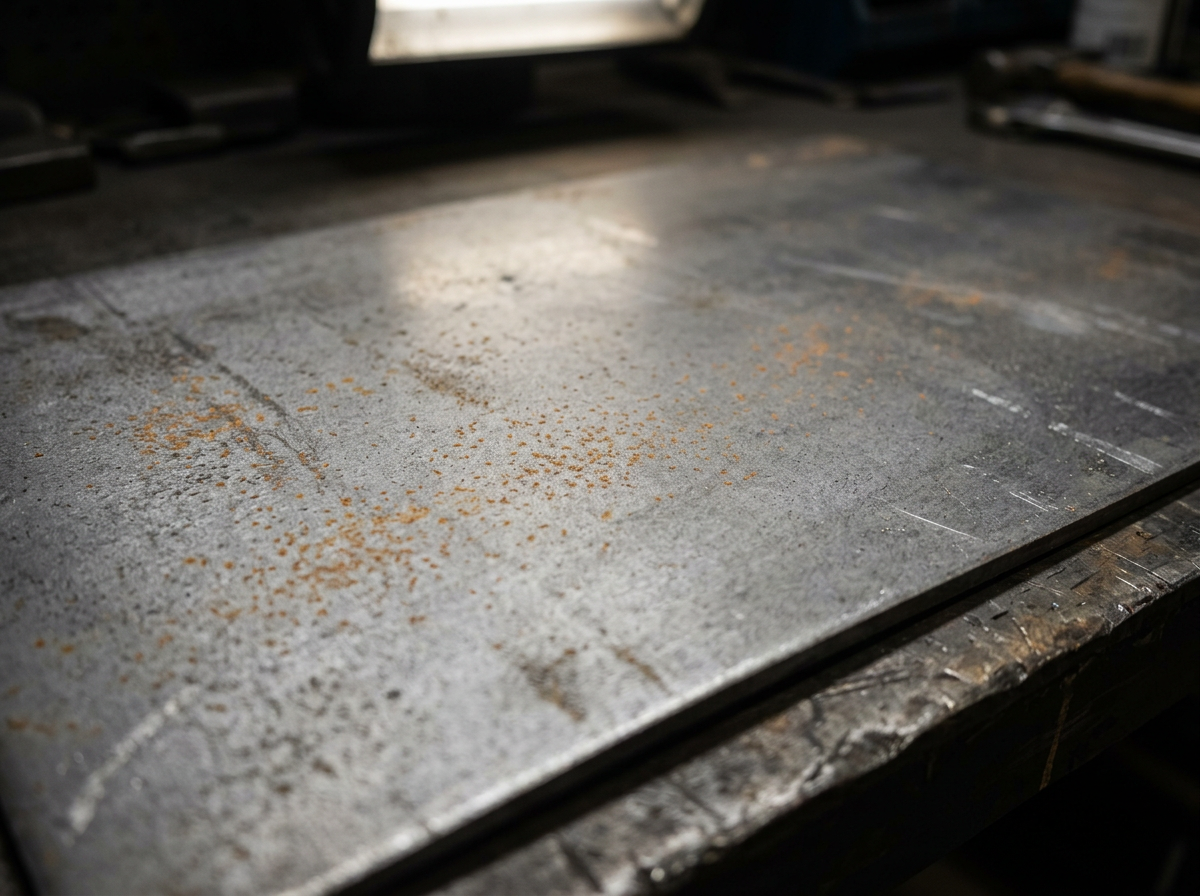 Stage 01
Early Rust
Surface oxidation begins as moisture and oxygen attack the exposed metal.
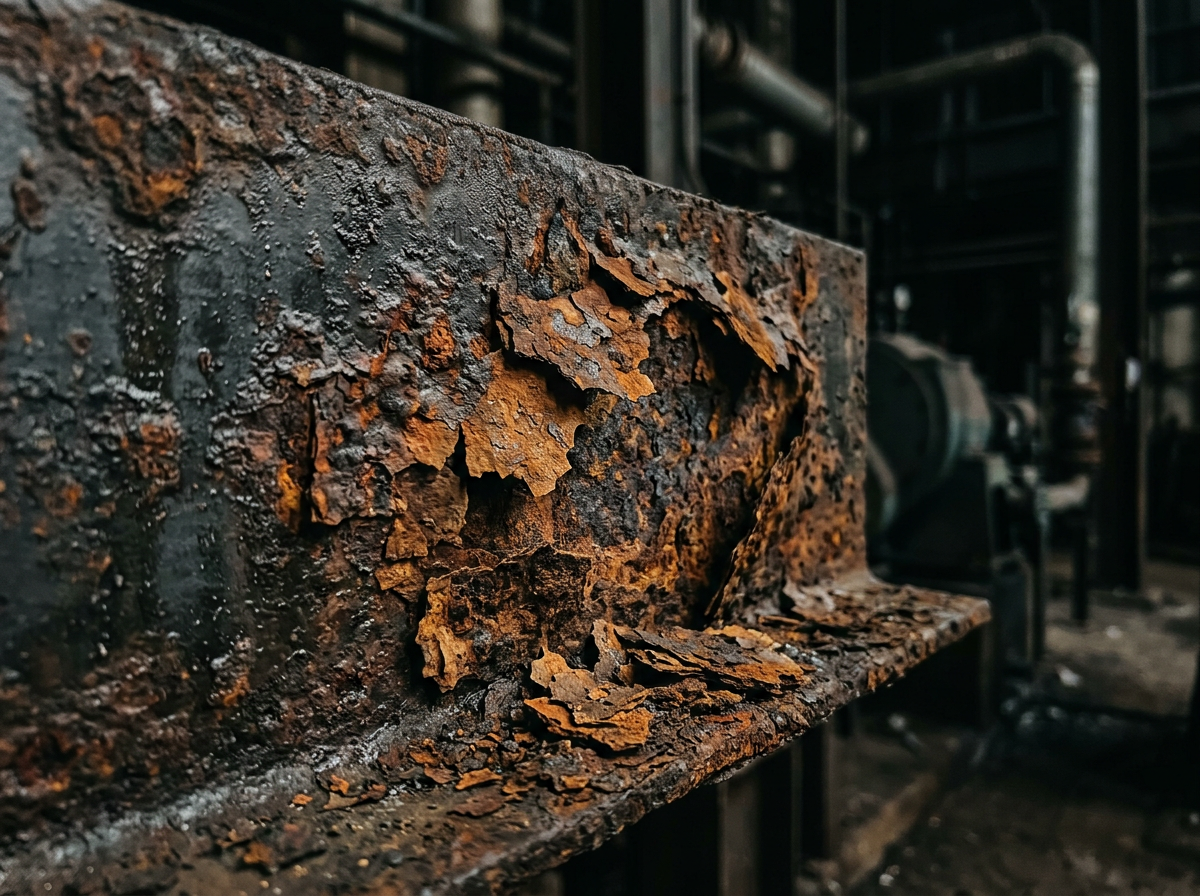 Stage 02
Neglected Corrosion
Rust spreads and flakes as deterioration continues unchecked.
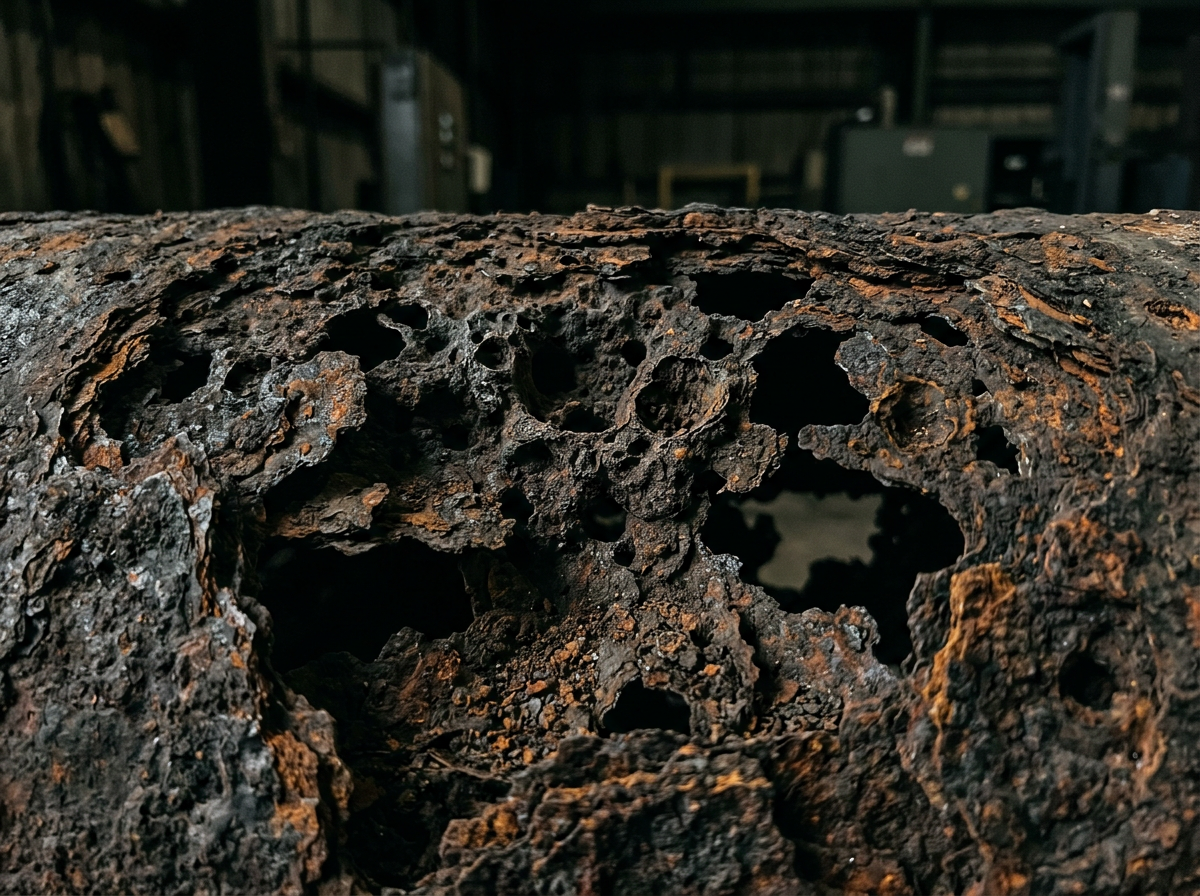 Stage 03
Advanced Deterioration
Deep pitting and material loss compromise the integrity of the asset.
02 — The Myth of Painting Over Rust
New Paint Doesn't Fix a Corroded Surface
A Costly Shortcut
Applying a new coating over inadequately prepared corrosion may temporarily improve appearance, but it does not properly address the contaminated or unstable surface underneath.
What Happens Next?
Residual corrosion and contamination beneath the coating can contribute to premature coating failure. Moisture can penetrate compromised areas, eventually causing bubbling, cracking, delamination and flaking.
The result can be repeating the same preparation and coating work again—adding labour, materials and downtime.
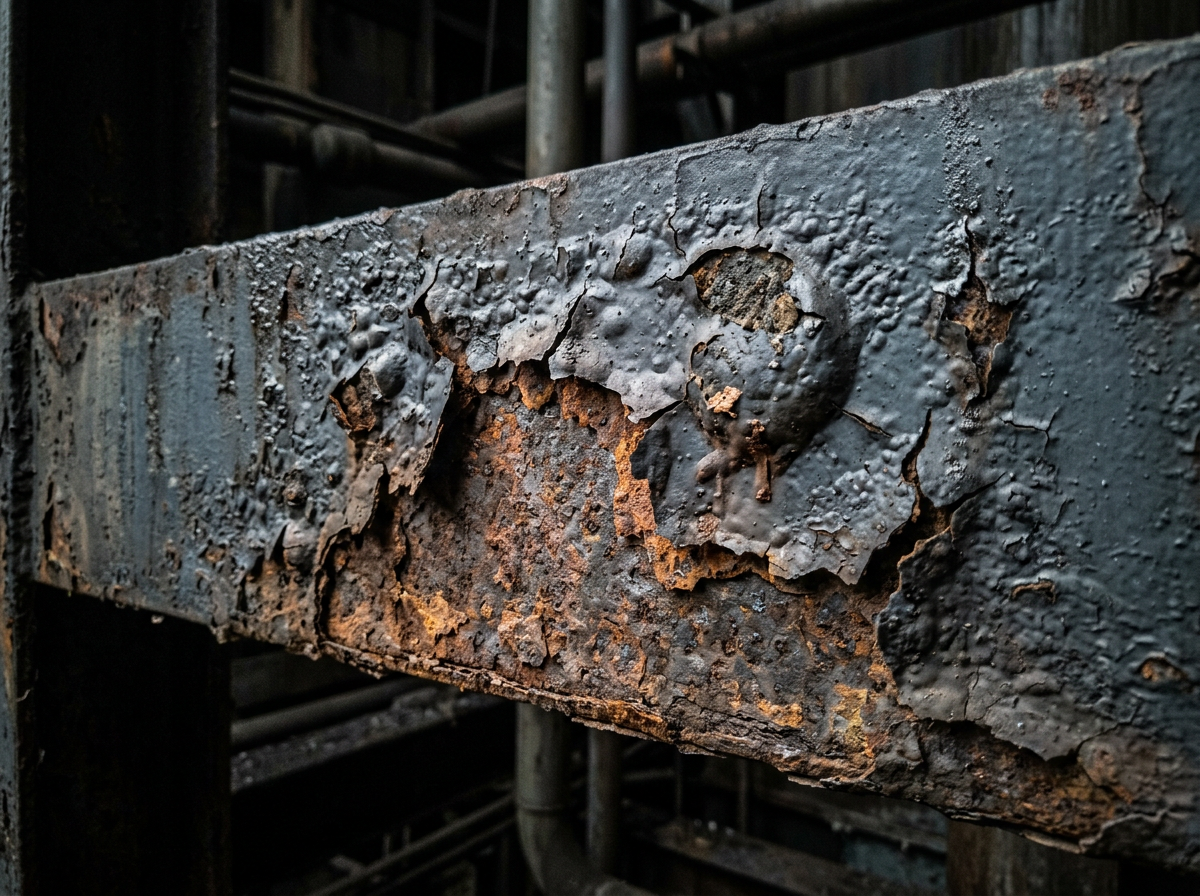
“A protective coating is only as reliable as the surface underneath it.”
03 — The Limitations of Grinders & Sandpaper
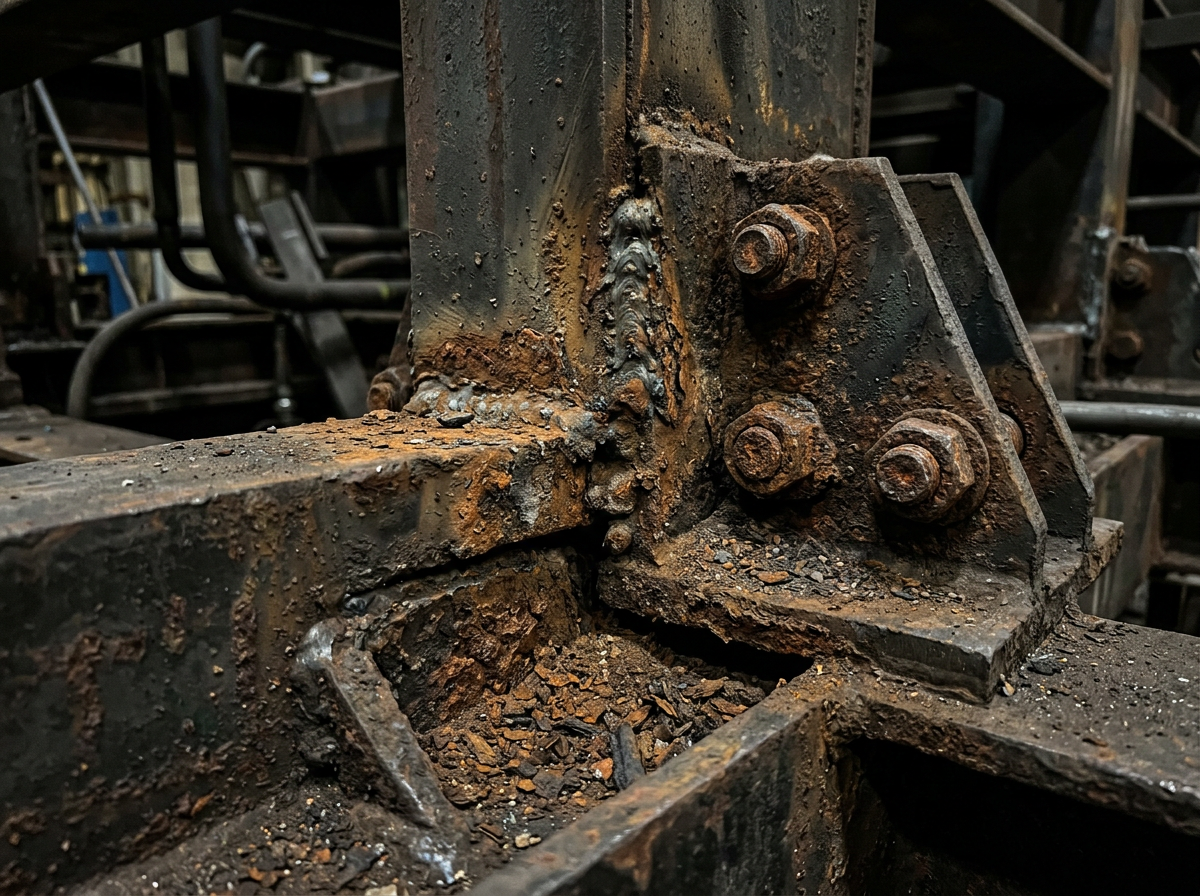
Complex Geometry Creates Difficult Access
Mechanical abrasive tools remain useful for many applications, but complex industrial components can make complete and consistent surface preparation difficult.
Restricted Access
Angle grinders, sanding discs and abrasive tools can struggle around:
Operator Risk
Working with rotating abrasive equipment in restricted spaces introduces additional hazards. Kickback, disc damage, sparks and loss of control must all be properly managed.
Residual Corrosion
Areas that cannot be adequately accessed or prepared may retain corrosion. If those areas are subsequently coated without proper preparation, deterioration can continue and contribute to future coating failure.
04 — The Laser Advantage
Precision Where Conventional Tools Become Difficult
Precision laser cleaning provides a highly controlled method for removing corrosion and coatings from suitable metal surfaces.
Because the process does not rely on a rotating abrasive disc contacting the substrate, it can provide excellent control around complex geometries, edges, welds, joints and detailed components.
Precision Cleaning
Target corrosion and unwanted surface contamination with controlled laser energy.
Complex Access
Suitable for many detailed areas, edges, welds and geometries that can be difficult to prepare consistently with conventional mechanical tools.
Minimal Substrate Impact
Correctly configured laser parameters can remove unwanted surface material while minimising unnecessary mechanical wear to the underlying substrate.
No Abrasive Media
No blasting media or sanding consumables are required during the laser-cleaning process.
Surface Preparation
Creates a clean, controlled surface ready for the appropriate next-stage coating or corrosion-protection system.
From Corroded to Clean Metal
Real laser cleaning. Real results.
See a real example of corrosion removal using precision laser cleaning. The process removes corrosion and exposes the underlying metal without pretending to reverse material loss already caused by corrosion.
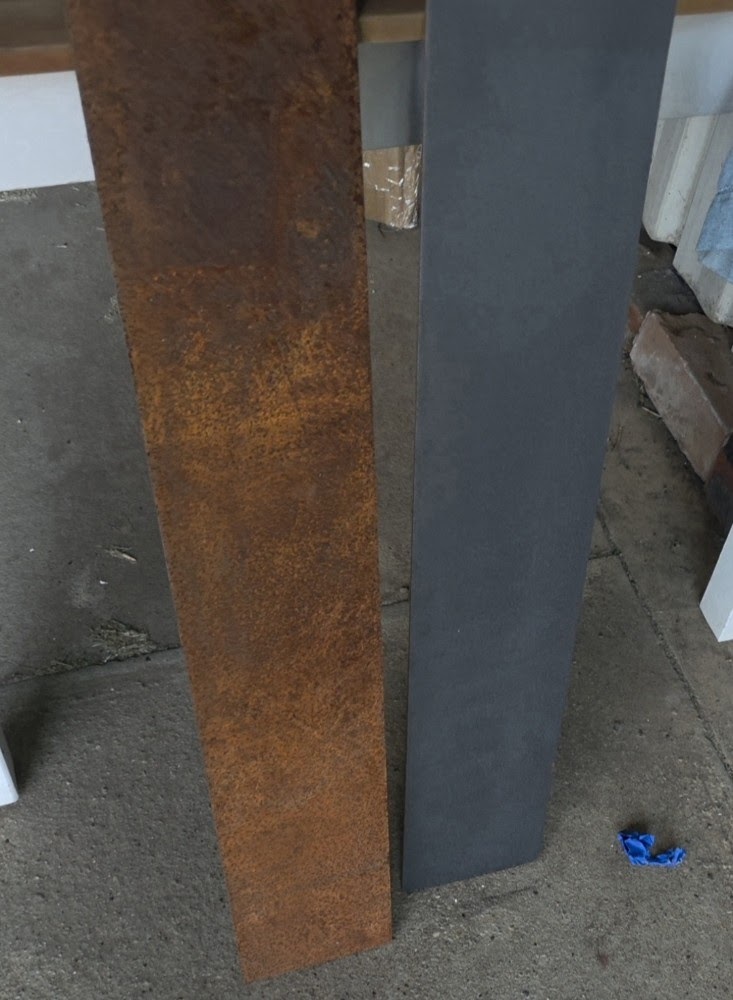
Photograph from an actual Nova Laser Technologies project
Remove It. Prepare It. Protect It.
Corrosion Removal Is Only the First Step
Proper preparation helps give protective coatings the foundation they need to perform as intended.
Nova Laser Technologies provides precision laser cleaning solutions for industrial steel, machinery, components and complex metal surfaces where controlled surface preparation matters.